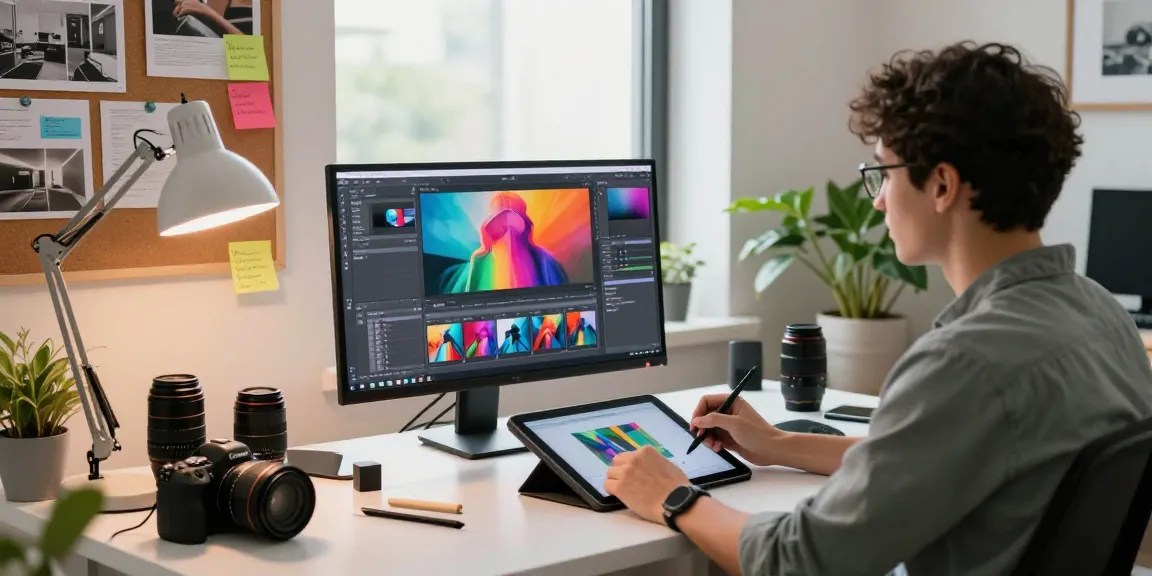
Understanding Image to Image Technology
In the ever-evolving landscape of digital media, the significance of visual content continues to soar. By 2026, industries are recognizing that what was once merely decorative is now a core component of effective communication. This surge in visual reliance has paved the way for advanced techniques like image to image transformation, which allows for seamless manipulation and enhancement of images to meet the demands of modern audiences.
What is Image to Image Transformation?
Image to image transformation is a process in which one image is transformed into another, often altering its style or content while preserving essential characteristics. This technology utilizes deep learning algorithms, particularly Generative Adversarial Networks (GANs), to create variations based on a given input image. The applications range from artistic renderings to practical enhancements in fields such as architecture, fashion, and marketing.
The Importance of Visual Content in 2026
As we dive deeper into 2026, the importance of visual content cannot be overstated. With consumer attention spans dwindling, organizations are compelled to use striking visuals that capture and hold interest. This shift is evident across various platforms—from social media to corporate websites—where images that are not only engaging but also informative become pivotal. The ability to manipulate images effectively allows brands to convey messages that resonate with their target audiences more profoundly.
Common Misconceptions in Image Processing
Despite the advancements in image processing technology, several misconceptions still prevail. One common belief is that high-quality images can only be produced by professionals using complex software. However, with the advent of user-friendly tools incorporating image to image techniques, even amateurs can create impressive visuals. Another misconception is that any alteration to an image is inherently deceptive. In reality, ethical image manipulation can enhance clarity and focus on important details without misleading viewers.
Tools and Software for Effective Image to Image Editing
To harness the full potential of image to image transformation, several tools and software options have emerged in 2026. These platforms not only simplify the editing process but also incorporate features that cater to the diverse needs of users, from beginners to seasoned professionals.
Top Software Options in 2026
Here are some of the top software options available today:
- Adobe Photoshop: Renowned for its robust editing capabilities, Photoshop continues to be a favorite among creative professionals for image manipulation.
- GIMP: A free and open-source alternative that provides powerful tools for those looking to dive into image editing without the financial commitment.
- Corel PaintShop Pro: This software combines ease of use with advanced editing features, making it ideal for hobbyists and professionals alike.
- Runway ML: A platform focusing on AI-powered tools, Runway offers innovative solutions for image creation and manipulation.
- DeepArt: Leveraging neural networks, this tool allows users to apply artistic styles to their images, creating visually stunning results.
Evaluating Features That Matter
When selecting an image editing tool, it's essential to consider features that align with your specific needs. Key aspects to evaluate include:
- User Interface: A clean and intuitive interface can significantly enhance the editing experience.
- Customizability: Look for software that allows personalization of tools and workflows to suit your style.
- Support for Multiple Formats: Ensure the software can handle various image formats for versatility.
- Integration Capabilities: Consider tools that seamlessly integrate with other software, enhancing your creative workflow.
Integration with Other Creative Tools
In 2026, the ability to integrate image editing software with other creative tools is a game changer. This integration allows for more cohesive workflows, enabling users to transfer assets effortlessly between different applications. For example, connecting your image editing software with vector graphic tools can improve design outcomes significantly, allowing for a holistic approach to visual content creation.
Best Practices for Image Manipulation Techniques
To achieve professional results in image manipulation, adhering to best practices is crucial. These guidelines can help ensure that your edits are not only aesthetically pleasing but also effective in delivering the intended message.
Step-by-Step Guide to Image Editing
- Define Your Objective: Understand what you want to achieve with your image. Are you enhancing a photo for social media, or creating a piece of art?
- Select Your Software: Choose the right tool based on your editing needs.
- Import Your Image: Open the image you want to edit in the chosen software.
- Make Basic Adjustments: Start with fundamental adjustments like cropping, exposure, and color correction.
- Apply Advanced Techniques: Utilize image to image transformation tools to enhance or change your image as needed.
- Review and Export: Always review your changes before exporting the final version!
Tips for Enhancing Visual Appeal
To maximize the impact of your images, consider these enhancement tips:
- Color Theory: Use complementary colors to create visually striking images.
- Composition Techniques: Apply techniques such as the rule of thirds to guide the viewer's eye.
- Consistent Branding: Maintain brand colors and styles to reinforce identity.
- Testing Variations: Experiment with different edits and ask for feedback to discover what resonates most.
Avoiding Common Pitfalls in Image Processing
Avoiding common mistakes is essential for achieving high-quality images. Some pitfalls include over-processing, neglecting image resolution, and ignoring copyright issues. Always strive for balance and authenticity in your edits to ensure they enhance rather than detract from your original image.
Case Studies: Successful Image to Image Applications
To illustrate the power of image to image transformation, let’s explore real-world case studies that highlight its successful applications across various industries.
Real-World Examples from Creative Professionals
Creative professionals have leveraged this technology in remarkable ways. For instance, a fashion brand used image to image transformation to generate unique textures and patterns from existing images, allowing for the creation of distinctive textile designs. Similarly, an advertising agency utilized this technology to create multiple versions of campaign images tailored to different audience segments, enhancing engagement and conversion rates.
Analysis of Innovative Campaigns Leveraging Image Transformation
Innovative campaigns often incorporate image transformation techniques to stand out. Take, for example, a recent marketing campaign for a beverage company that used dynamic image transformations to showcase their drink’s versatility. By presenting various scenarios where the product could be enjoyed, the campaign increased consumer interest and brand recognition significantly.
Learning from Industry Leaders
Industry leaders are not hesitant to adopt image to image technology. By observing how they integrate this tool into their workflow, aspiring creatives can gain insights into effective strategies. Many successful companies maintain a focus on visual storytelling, ensuring their image transformations resonate with their target audience while reinforcing brand values.
Future Trends in Image Processing and Editing
As we look to the future, several trends are shaping the landscape of image processing and editing. Understanding these trends can prepare creatives for what lies ahead in their image to image endeavors.
Emerging Technologies Shaping the Industry
Technologies like augmented reality (AR) and virtual reality (VR) are rapidly influencing image processing techniques. These innovations allow for immersive experiences that transform how images are created and viewed. As AR and VR become more accessible, the integration of these technologies with image to image methods will create opportunities for richer content interactions.
Predicted Developments in Image to Image Techniques
Experts predict advancements in AI algorithms will elevate image to image transformation capabilities. Future tools could provide even more precise results, allowing users to transform images in real time and with minimal input. This will democratize image editing, making it accessible to those without formal training.
Preparing for the Evolution of Visual Content Creation
To stay ahead in this evolving landscape, creators must remain adaptable and open to learning new techniques. Continuous education and practice will be vital to mastering emerging tools and technologies.
What Are the Key Questions to Ask?
As you navigate the world of image to image transformation, ask yourself critical questions such as:
- What is my target audience looking for in visual content?
- How can I incorporate current trends into my projects?
- What ethical considerations should I keep in mind when editing images?
How to Measure Success in Visual Projects?
Measuring success in visual projects can revolve around metrics such as engagement rates, conversion rates, and overall audience satisfaction. Monitoring feedback and performance analytics will provide insights into what works and what needs improvement.
What Resources Are Essential for Learning?
Numerous resources are available for learning image editing techniques. Online platforms offering courses, tutorials, and community forums are valuable for honing your skills. Investing time in learning from both peers and established professionals will broaden your understanding and enhance your capabilities.
How Can Image to Image Benefit Different Industries?
The versatility of image to image transformation benefits various industries, from fashion and marketing to healthcare and education. Each sector can utilize these techniques to improve communication, enhance engagement, and ultimately drive results. Tailoring image transformation strategies to fit specific industry needs can maximize impact and effectiveness.