
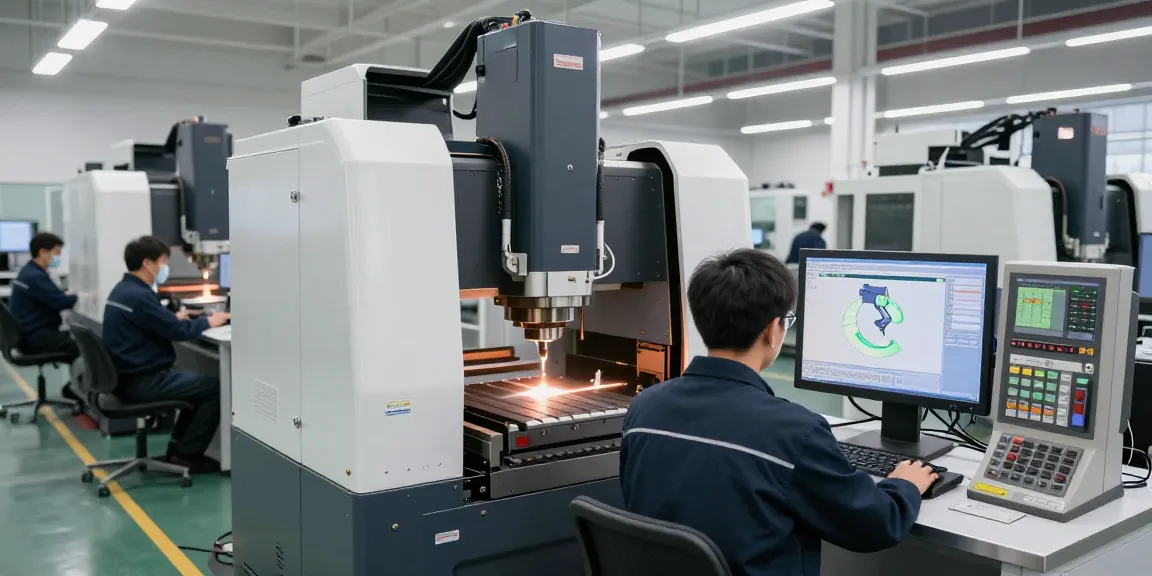
Understanding CNC Press Brake Technology
In today’s fast-paced manufacturing landscape, precision and efficiency are paramount. CNC press brakes represent a critical technology in sheet metal processing, enabling manufacturers to achieve intricate bends with exceptional accuracy. Leveraging Computer Numerical Control (CNC) technology, these machines automate bending operations, minimizing human error and material waste. The evolution of CNC press brakes has integrated advancements in hydraulics, electronics, and materials science, resulting in machines that not only perform reliably but also enhance productivity across industries. When exploring options, cnc press brake systems provide comprehensive insights into modern bending solutions that meet the demands of various applications.
The Fundamentals of CNC Press Brake Operation
A CNC press brake operates by controlling the positioning of a ram, which houses the tools required for bending metal sheets. The operator inputs geometric parameters into the CNC system, which subsequently instructs the machine to execute precise bends. CNC press brakes utilize electro-hydraulic proportional valves that manage hydraulic pressure, allowing for real-time adjustments to the position of the ram—essential for high-precision bending tasks. This closed-loop control ensures that the ram’s movements can achieve tolerances as tight as ±0.01mm, accommodating intricate designs and specifications.
Components of CNC Hydraulic Systems
At the heart of CNC press brake technology lies an intricate hydraulic system. This system typically includes the following key components:
- Hydraulic Pump: Generates the pressure necessary for bending operations.
- Electro-Hydraulic Proportional Valves: Control the flow of hydraulic fluid and adjust the ram position with precision.
- Hydraulic Cylinders: Act as the muscle of the machine, converting hydraulic energy into mechanical force.
- Control System: Interfaces with the user, interpreting commands, and executing bending operations accurately.
Understanding these components provides insight into the complexities of maintaining and operating CNC press brakes effectively.
Safety Features in Modern CNC Press Brakes
Safety is paramount when operating heavy machinery. Modern CNC press brakes incorporate several safety features to protect operators and ensure uninterrupted operations. Key safety features include:
- Light Curtains: These sensors detect the presence of objects in hazardous areas, halting operations if a person enters the danger zone.
- Automatic Safety Doors: Enclosed spaces with safety doors prevent accidental operation during maintenance.
- Emergency Stops: Strategically placed emergency stop buttons ensure immediate cessation of machine function in critical situations.
- Integrated Monitoring Systems: These systems track hydraulic pressure levels and operational efficiency to prevent malfunctions.
Through these enhancements, manufacturers can ensure a safer working environment while maintaining high operational standards.
Advanced CNC Press Brake Configurations
Customization is a critical aspect of modern CNC press brakes, allowing manufacturers to tailor machines to specific applications or production needs. Variations include different axes of control and specialized configurations that enhance their bending capabilities.
Four-Axis vs. Six-Axis CNC Systems
An essential consideration when selecting a CNC press brake is the number of axes it can control. Standard configurations include:
- Four-Axis Systems (4+1 Axis): Control for the ram (Y1, Y2) and back gauge (X, R) with the addition of a table crowning feature (V).
- Six-Axis Systems (6+1 Axis, 8+1 Axis): Extends capabilities with additional axes for complex bends and varied geometries, making them ideal for complex parts.
Choosing between these systems depends on the intricacy of the workpiece and production throughput requirements.
Custom Configurations for Specialized Applications
CNC press brakes can also be customized for specific applications, such as:
- Robotic Integration: Machines can be fitted with robotic arms to automate the loading and unloading of materials.
- Energy-Efficient Designs: Hybrid servo press brakes reduce energy consumption significantly, which can lower operational costs while maintaining performance.
- Specialized Tooling: Unique dies and punches can be designed for specific shapes and profiles, optimizing production for custom parts.
The flexibility of customization positions CNC press brakes as a central hub in progressive manufacturing facilities.
Benefits of Electro-Hydraulic Servo Systems
Electro-hydraulic servo systems have transformed CNC press brakes, providing numerous benefits over conventional hydraulic systems:
- Higher Precision: Servo systems allow for more precise positioning of the ram, resulting in improved accuracy for intricate bends.
- Energy Efficiency: These systems only draw power when required, significantly reducing energy costs during operation.
- Enhanced Feedback Mechanisms: Real-time monitoring ensures immediate adjustments can be made, improving overall performance and reducing the risk of errors.
Implementing electro-hydraulic systems positions manufacturers favorably in competitive landscapes, enhancing operational efficacy.
Data-Driven Design for CNC Press Brakes
With the rise of Industry 4.0, data-driven approaches in manufacturing have gained traction. This shift enables more intelligent designs and operational efficiencies, particularly in CNC press brakes.
Utilizing AI for Enhanced Precision
Artificial Intelligence (AI) tools can analyze production data to optimize machine settings continuously. By assessing previous bending operations, AI algorithms can make recommendations on adjustments based on material properties and operator input, ensuring high levels of accuracy throughout the production process. This continuous learning process results in reduced trial-and-error cycles, thus streamlining the production workflow.
Integrating IoT in CNC Operations
System integration through the Internet of Things (IoT) enables CNC press brakes to communicate with other machines and systems within the manufacturing ecosystem. Key benefits include:
- Remote Monitoring: Operators can remotely monitor machine status and performance metrics.
- Predictive Maintenance: IoT-enabled sensors can predict failures before they occur, scheduling maintenance proactively and avoiding costly downtime.
- Data Collection: Continuous data collection allows for more informed decision-making regarding materials and processes.
The integration of IoT amplifies the capabilities of CNC press brakes, enhancing performance and reliability.
Monitoring and Analyzing Production Data
Analyzing production data plays a crucial role in optimizing CNC press brake operations. By collecting information such as:
- Production Rates
- Material Usage
- Machine Downtime
manufacturers can identify bottlenecks and inefficiencies, leading to targeted improvements and increased operational throughput.
Maintenance and Longevity of CNC Press Brakes
Regular maintenance is vital to prolong the lifespan of CNC press brakes and ensure consistent performance. A well-maintained machine can navigate production demands while minimizing costly downtimes.
Regular Maintenance Practices for Optimization
Routine maintenance steps include:
- Hydraulic Fluid Checks: Regular monitoring of hydraulic fluid levels and quality to ensure optimal operation.
- Calibration: Frequent calibration of components such as valves and sensors to maintain accuracy.
- Inspection of Wear Parts: Regular examination of dies, punches, and mechanical components to preemptively replace worn items.
Implementing a scheduled maintenance program can lead to noticeable improvements in machine performance over time.
Identifying Wear and Tear in Hydraulic Components
Hydraulic components are especially prone to wear due to constant pressure and movement. Visual inspections for leaks, abnormal noises, or diminished responsiveness will help identify potential failures. Additionally, monitoring the hydraulic system’s performance for increased response times can indicate that servicing may be necessary.
Upgrading CNC Technology for Efficiency
Staying updated with the latest CNC technologies ensures that your press brakes remain competitive. Upgrades may include improving the CNC control systems, integrating better feedback mechanisms, and adopting the latest software for operational efficiency.
The Future of CNC Press Brake Manufacturing
As technology continues to evolve, the future of CNC press brakes is interwoven with advancements in automation, robotics, and sustainability.
Trends in Automation and Robotics
The integration of robots with CNC press brakes is becoming more prevalent, enabling fully automated bending processes. Robotics can assist with:
- Loading and unloading materials
- Quality inspections
- Repetitive task performance
This shift not only enhances productivity but also allows operators to focus on higher-value tasks.
Environmental Considerations in Machine Design
With increasing awareness around environmental issues, manufacturers are adopting eco-friendly practices and designs in CNC press brakes. Focus areas include:
- Reducing energy consumption through efficient drives and components
- Sourcing sustainable materials for production
- Implementing recycling practices for machine components
By aligning operations with environmentally responsible principles, manufacturers can achieve cost savings and appeal to eco-conscious markets.
New Materials and Durability Standards
As manufacturing capabilities advance, CNC press brakes are evolving to accommodate newer materials that demand specific bending processes. The introduction of composite materials, ultra-high-strength steels, and lightweight alloys requires press brakes to adapt through specialized tooling and enhanced durability standards.
Frequently Asked Questions
What is a CNC Press Brake and its main uses?
A CNC press brake is a machine used in manufacturing to bend sheet metal. Its applications range widely from creating components for automotive parts to producing frames for buildings.
How does CNC technology improve bending accuracy?
CNC technology reduces human error by automating the bending process, allowing for precise control over the ram’s movements and ensuring consistent results across batches.
What should I consider when purchasing a CNC press brake?
Key considerations include the machine’s precision, the number of axes, energy efficiency, available safety features, and capabilities for automation. Understanding your specific production needs is crucial.